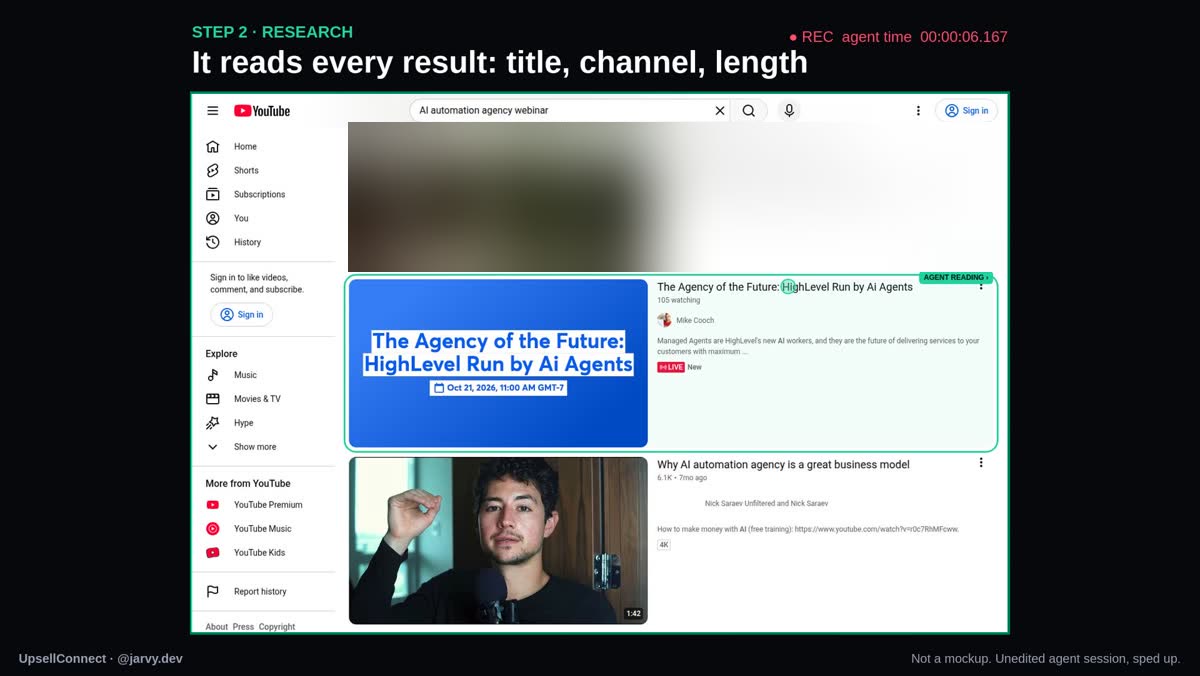
- Meta expanded its Muse agent to small businesses: it works with Instagram, Facebook Pages and Meta ads, plus tools like Shopify and QuickBooks.
- Motive launched Agents that call drivers, open work orders and alert managers for fleets.
- Kognitos sells "AI employees" for finance work, with a rule that an agent cannot approve its own work.
- In all four products, the step that sends, posts or pays still needs a human. Setting up that approval flow is work you can do for clients.
Meta brings its Muse agent to small businesses
On 29 September 2026, Meta expanded Muse, its AI agent, to small businesses. The business version works with Instagram analytics, Facebook Pages and Meta ad accounts, and connects to Shopify, Dropbox, Slack, Asana, Box, Canva, Figma, Granola, HighLevel, QuickBooks, Klaviyo, Lovable, Notion, Stripe and Zoom. It is free with usage limits, with a paid subscription for more use. Meta explained the focus with what owners told it: "They told us they're short on hours, not ideas."
Earlier, on 8 September, Meta had launched the consumer version of Muse for adults in the US, on iOS, Android, the web and WhatsApp. It can manage email, book travel, fill in forms and shop, with approval steps before a purchase.
Your angleA free agent inside Instagram and Meta ads will reach many owners before any agency does. They will still need someone to connect the right apps, write the instructions and check what it posts. That setup is a service.
Sources: TechCrunch, Runtime Wire
Motive Agents act before a truck breaks down
Fleet software company Motive launched Motive Agents on 19 October 2026. The agents can call drivers, open work orders and bring in managers. Examples from the launch: a fatigue alert, a severe-weather warning, and a fault code that leads to a work order and the vehicle being taken out of service. Setup is no-code with templates and a library; describing an agent in plain language is planned for early next year. Motive says the agents are available to customers now.
Motive also cites a $46 billion loss from preventable problems and says 42% of respondents named inefficiency as a challenge. Those are the company's own figures from its announcement.
Your angleThis is the pattern for any field-service business: a signal comes in, the agent takes the first step, a manager gets pulled in. Plumbers, cleaners and installers have the same signals in email and WhatsApp. Map them for one client.
Sources: Motive press release, FleetOwner
"AI employees" for finance, with a built-in second pair of eyes
Kognitos markets AI employees: agents defined as job roles, each running a set of standard procedures (SOPs). Its catalogue lists 61 roles and 515 SOPs, for example an AP Specialist with 11 SOPs and a Reconciliation Accountant with 6. Some roles are marked as still to be built. The interesting part is the control model: an AI employee cannot approve its own work, releasing payments stays with a human by default, and duties are separated the way an auditor would expect. These are the vendor's own descriptions.
Your angleWrite a client's task as an SOP first: steps, inputs, who approves. That document is useful whatever tool runs it, and it is exactly what clients struggle to write themselves.
Source: Kognitos: AI employees
Claude for Small Business: the approval step is the product
Anthropic launched Claude for Small Business on 13 May 2026, with connectors for PayPal, QuickBooks, HubSpot, Canva, Docusign, Google Workspace and Microsoft 365, plus 15 ready workflows and 15 skills. The user starts each task and approves before anything is sent, posted or paid. It is not new this month, but it sets the standard the newer launches follow: the agent prepares, the owner decides.
Your angleOwners do not want an agent that pays bills alone. They want one that prepares the work and waits. Sell "prepared for your approval" as the feature, not as a limitation.
Source: Anthropic
The agent prepares. The owner decides. That split is where the service is.
The approval checklist: 5 steps before a client lets an agent work
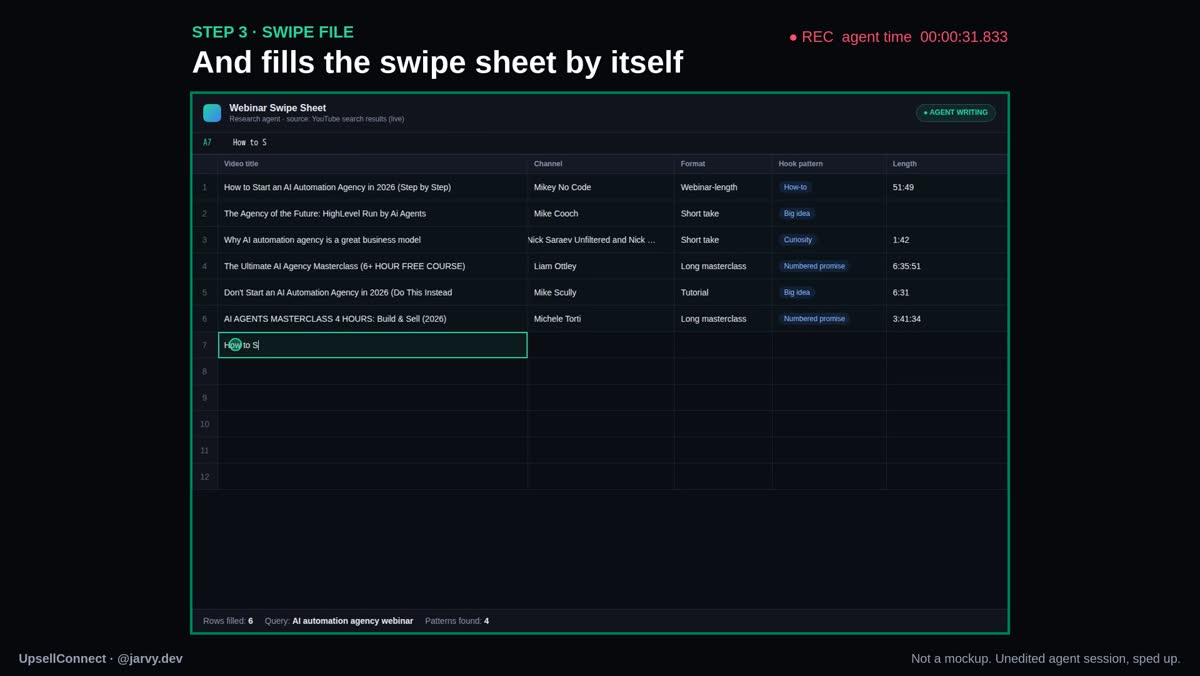
All four products keep a person on the step that costs money. These five steps make that work for a client, whatever tool they pick:
- Pick one task. One repeatable task with a clear start and end: answering new leads, preparing invoices, weekly social posts. Not "the whole back office".
- Write it as an SOP. Steps, inputs, tools and the expected result, on one page. This is what Kognitos calls an SOP and what every agent needs.
- Mark the money and message steps. Anything that pays, sends to a customer or posts in public gets an approval step. The agent prepares, a person clicks.
- Separate the roles. The agent that prepares the work should not also approve it. Same rule Kognitos uses for finance.
- Log and review weekly. Keep a simple log of what the agent did. Review it with the client every week for the first month. That review is the part they keep paying for.
Muse is free with limits. Owners will try agents themselves, then look for help to make them reliable.
Every product here keeps a human on payments or sending. Build your offer around that, not around "fully automatic".
Role counts and loss figures come from the companies. Test on one client task before you promise anything.
Get the next briefing in your inbox
One short email when there is AI agent news that matters for people who sell to businesses. Sources included, no hype.
FAQ
What is Meta Muse for small business?
An AI agent from Meta that Meta expanded to small businesses on 29 September 2026. It works with Instagram analytics, Facebook Pages and Meta ad accounts, connects to tools such as Shopify, QuickBooks, Klaviyo, Stripe and Canva, and is free with usage limits, with a paid plan for more use.
Can an AI agent pay invoices on its own?
In the products covered here, not by default. Kognitos says releasing a payment stays with a human and that an AI employee cannot approve its own work. Claude for Small Business asks the user to approve before anything is sent, posted or paid.
Which small business tasks are AI agents doing first?
The launches point to marketing and social media (Meta Muse), fleet safety and maintenance (Motive), finance back-office work such as accounts payable and reconciliation (Kognitos), and general admin across email, accounting and CRM (Claude for Small Business).
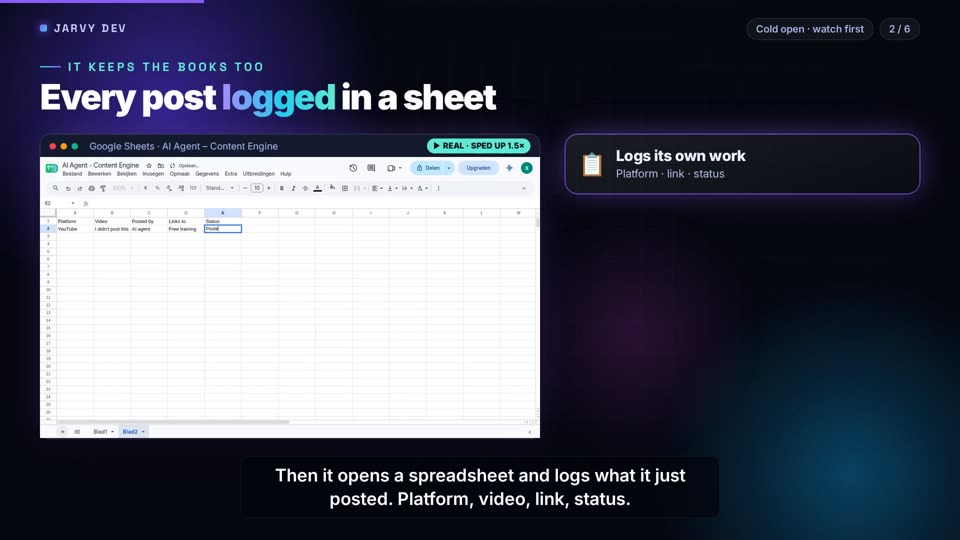 Recorded training · real agent screens
Watch a team of AI agents do real client work
In the free training you will:
- See agents handle leads, follow-up, content research and spreadsheets, step by step.
- Learn how to use it for your own business or whitelabel it for clients.
- Leave with a next-step plan you can start the same week. No coding required.
Free training. No income guarantee: results depend on your own work and clients.
What you learn to deliverReady to start this week?
Skip the wait: get the full course
€497 one-time · instant login after paying
- 6 modules: build agents for leads, follow-up, research and reporting
- Price calculator + proposal and outreach templates
- Progress tracking, lifetime access, no coding needed
Not sure yet? Watch the short video first · compare all 3 options
Secure checkout via Stripe (+2% service fee). No income guarantee: results depend on your own work and clients.
All sources
- TechCrunch: Meta is expanding its AI agent Muse to small businesses (29 Sep 2026)
- Runtime Wire: Meta launches Muse personal AI agent
- Motive: Motive launches Agents (press release, 19 Oct 2026)
- FleetOwner: Motive launches AI agents to reduce collisions, breakdowns and costs
- Kognitos: AI employees catalogue
- Anthropic: Claude for Small Business (13 May 2026)